How to store buttercream depends on what is in the bowl and what has happened to it since mixing. A clean batch placed promptly into a labeled container is different from frosting that has spent a long decorating session in a warm bag. Refrigeration preserves suitable food; it does not erase an uncertain handling history.
Separate three questions before saving leftovers: does this formula need refrigeration for safety, how long does its recipe allow storage, and will its texture recover well enough for the next decoration? The answers are related, but they are not interchangeable. A frosting can look smooth while being unsuitable to serve, or remain safely chilled while needing considerable texture adjustment.
Identify the frosting before choosing storage
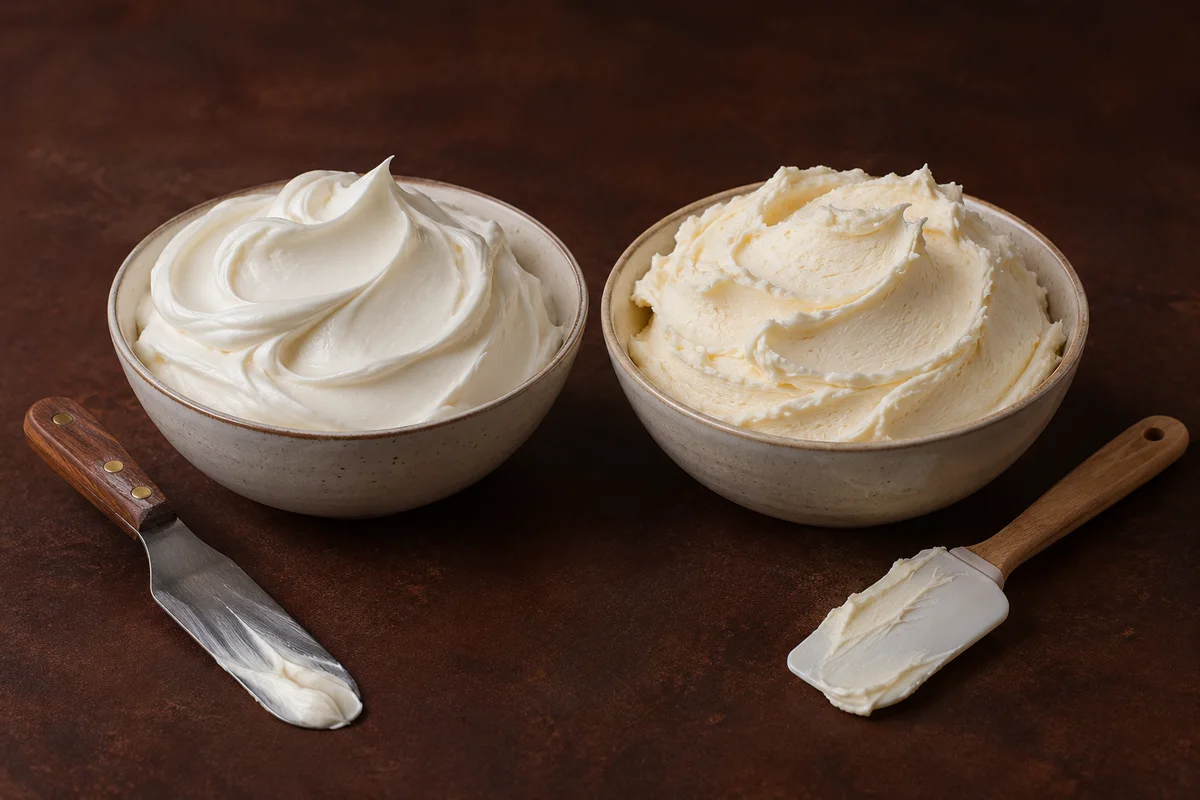
Write down the recipe and any additions. American buttercream, Swiss meringue buttercream, cream cheese frosting and a mixture containing fresh fruit do not automatically share a shelf life. A flavor addition that seems small can also change the storage advice for the finished product.
The Minnesota Department of Agriculture distinguishes chilling for appearance from refrigeration needed for safety. It calls for assessment of the specific homemade formula and process before treating frosting as shelf-stable. For a home batch without that assessment, do not infer safety from sweetness, stiffness or the absence of obvious moisture.
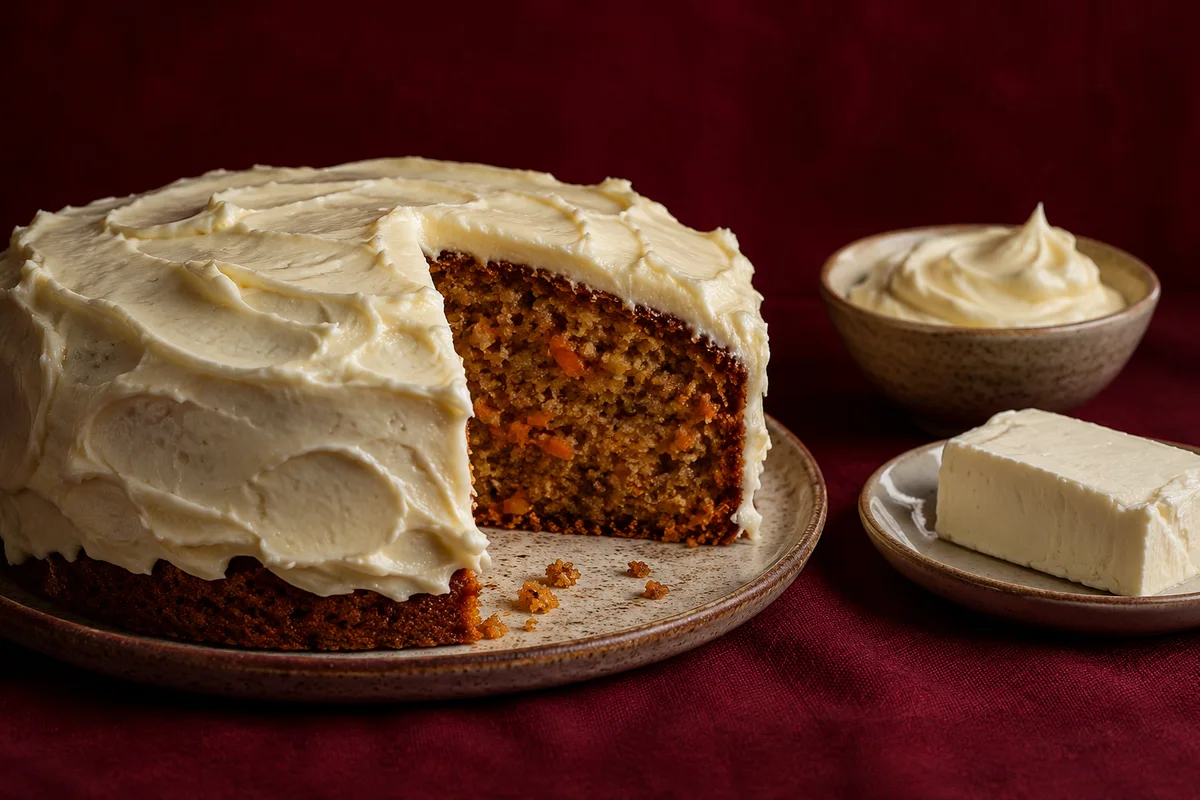
Use the recipe's storage instructions and the most perishable component of a finished cake. A buttercream-coated cake filled with whipped cream still needs the filling's precautions. Storage advice for a plain unfrosted sponge is not an appropriate substitute simply because buttercream covers the outside.
Pack clean frosting in useful portions
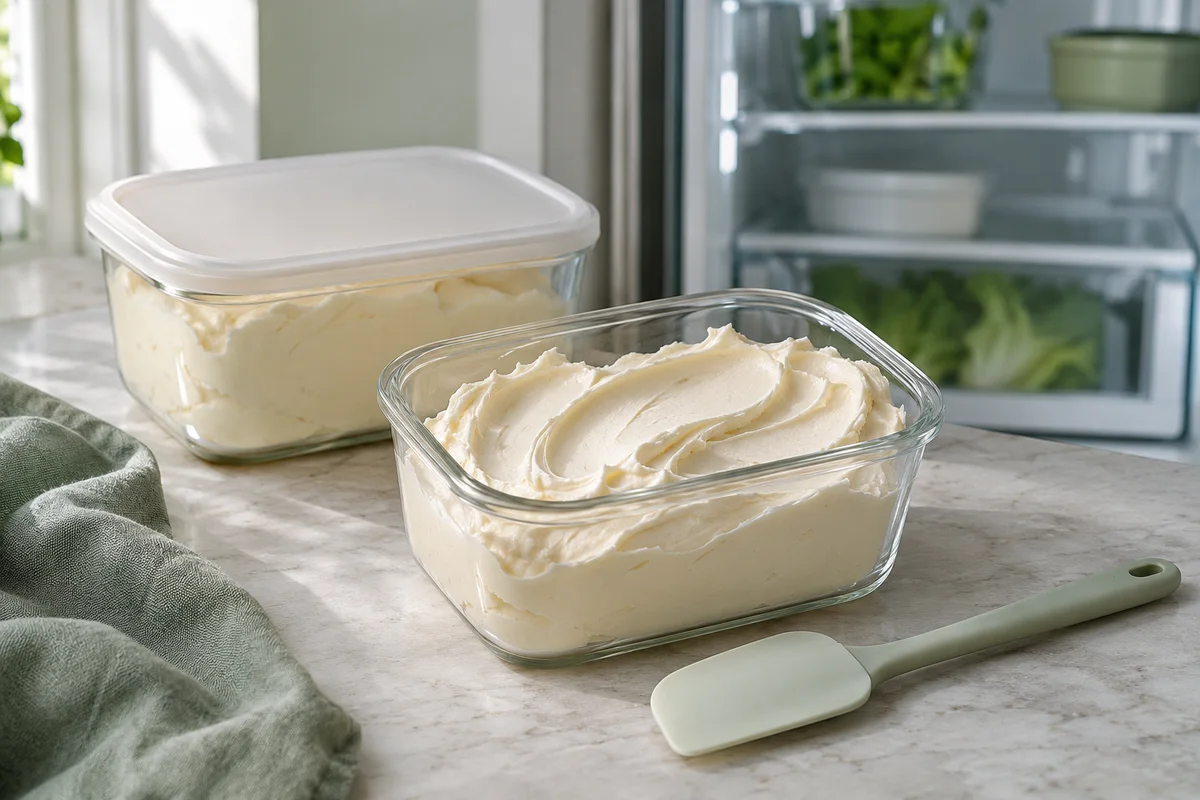
Transfer frosting with a clean utensil into a clean food-storage container. Choose a size that holds the portion without leaving excessive empty space. Close the lid securely so the frosting is protected from drying, strong refrigerator odors and accidental contamination.
Label the container with the preparation date, recipe name, color and any important flavor or allergen additions. “White frosting” is not enough when one container is cream cheese and another is vanilla buttercream. A date also prevents an older batch from being mistaken for one made during the current baking session.
Divide a large batch according to likely future uses. A small border portion can be stored separately from enough frosting for a full cake coating. Smaller useful portions reduce repeated opening and warming of the same container, and make it easier to thaw only what you intend to use.
- Save only frosting with a known acceptable handling history.
- Keep crumbs and used decorating scrap separate from a clean reserve.
- Include the original recipe or its storage reference in your notes.
- Do not blend old and new batches just to avoid labeling two containers.
Set cold storage up correctly
FoodSafety.gov recommends a refrigerator at 40°F/4°C or below and a freezer at 0°F/−18°C or below. Use an appliance thermometer rather than judging temperature from the control dial or how cold a container feels.
The same guidance limits unrefrigerated exposure of perishable foods to two hours, shortened to one hour when temperatures exceed 90°F/32°C. Account for the full working session, including bag filling, decorating, transport and display. Briefly returning a bowl to refrigeration does not make earlier unsafe exposure disappear.
Place the sealed container where it will remain protected from raw-food drips and unnecessary temperature changes. Do not balance an uncovered bowl beneath raw ingredients or squeeze it into a refrigerator so crowded that containers cannot close properly. The purpose of packing is lost if later storage introduces contamination.
Use a recipe-specific time limit
For one concrete example, King Arthur Baking's Swiss buttercream gives its own refrigerator and freezer instructions, including up to one week refrigerated or six months frozen. Those directions describe that formula; they are not a promise for a version containing different proportions, fruit additions or a different handling history.
When your recipe does not provide usable storage guidance, ask the recipe developer or a qualified food-safety source rather than manufacturing a number from several unrelated web pages. For an event, making a fresh appropriately sized batch may be more sensible than relying on an undocumented leftover.
Freezer storage also has a quality dimension. A poorly sealed portion may dry, absorb odors or develop a less pleasant texture. Being frozen is not evidence that the frosting will perform like a freshly mixed batch, and it cannot correct food that was already mishandled before freezing.
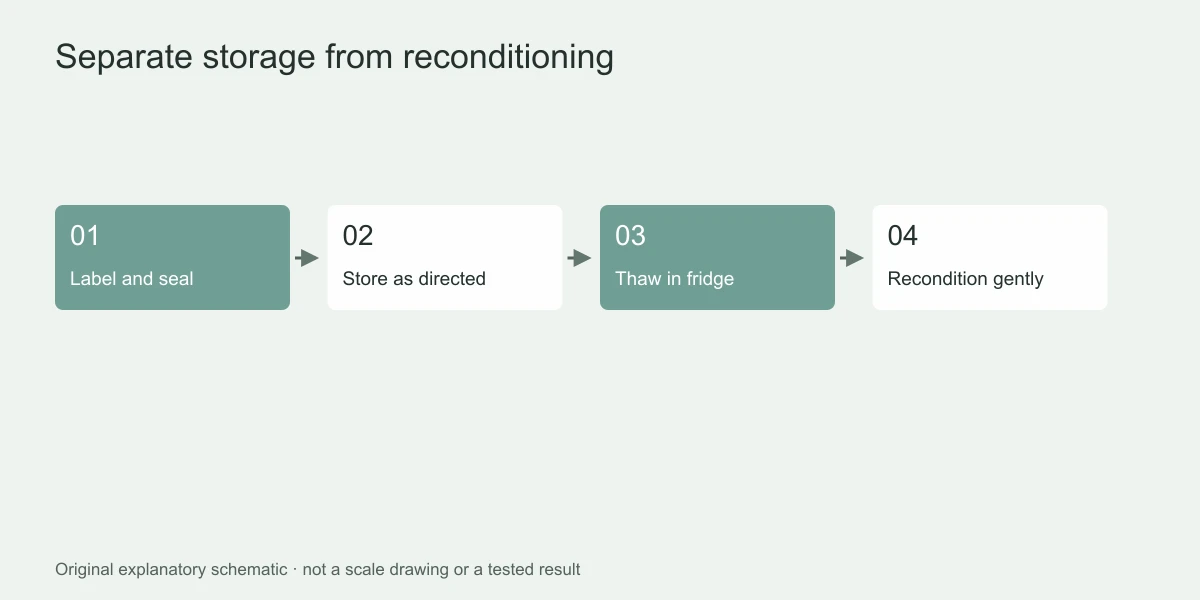
Thaw and prepare without rushing
- Check the label and original recipe before removing a portion. Confirm that its age and handling history remain acceptable.
- For a perishable frozen frosting, use refrigerated thawing instead of leaving a container on the counter for an uncontrolled long period.
- Keep the container covered during thawing. Protect the frosting from spills and condensation falling from other items.
- Bring only the amount needed toward the recipe's workable decorating condition, while keeping perishable-food exposure within the applicable limits.
- Reassess the texture in a small sample before rewhipping the entire portion or adding liquid.
A hard cold mixture cannot be judged fairly against freshly mixed frosting. Equally, warming until the edges melt while the center remains firm creates a new temperature mismatch. Prepare the portion evenly and follow the formula's recovery instructions rather than using a long microwave cycle as a shortcut.
Rewhip for the frosting type
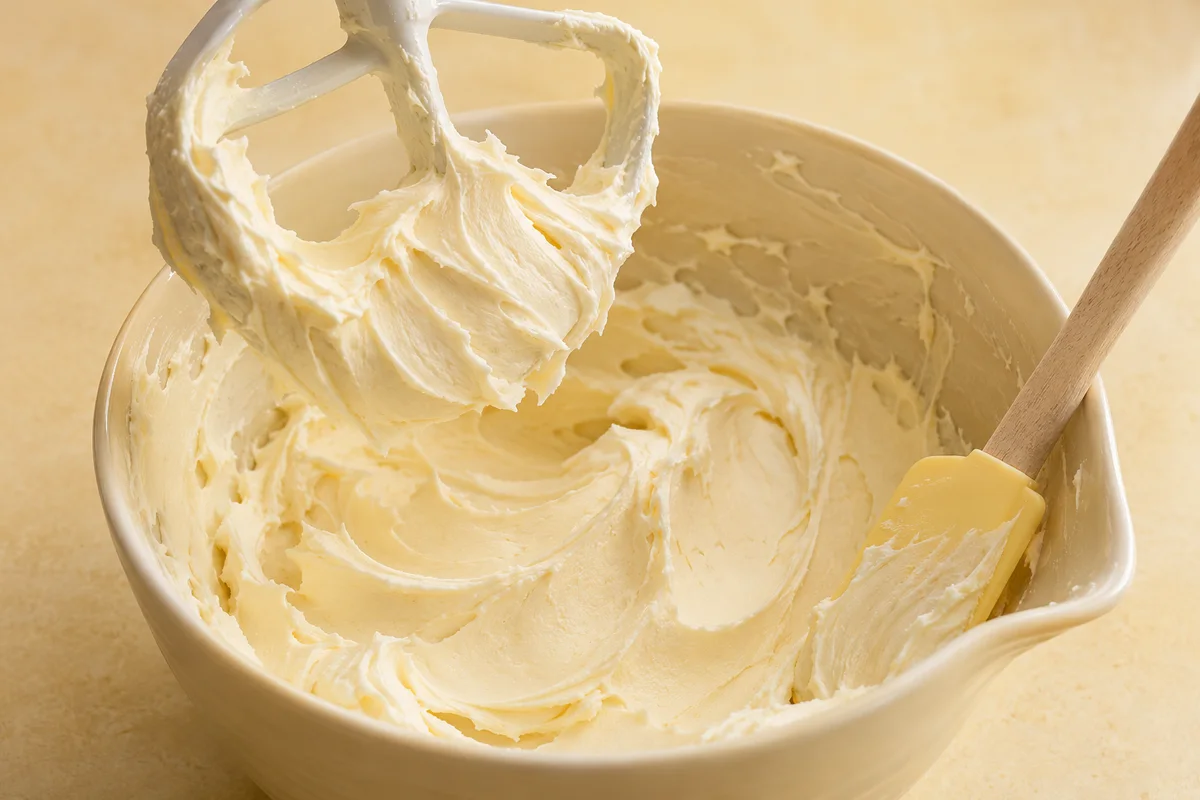
American buttercream may need gentle mixing to restore a uniform consistency. Meringue buttercream can appear separated while its temperature and emulsion settle. A grainy-looking bowl after refrigeration is therefore not always the same problem as powdered sugar lumps in a newly mixed American batch.
King Arthur Baking's broken-buttercream guidance discusses temperature-related recovery. Match the technique to the actual frosting and avoid adding large amounts of sugar or liquid before diagnosing it. A texture recovery method is not a way to make unsafe frosting safe.
After the mixture becomes uniform, test the intended finish. A small star checks ridge definition; a smear with a spatula checks spreading resistance. If more whipping creates pinholes, use the focused finishing approach in our air-bubble guide instead of continuing at high speed.
Set clear boundaries for practice frosting
Frosting collected from a clean controlled practice surface has a different history from scraps removed from a cake, a handled board or an uncertain countertop. Keep practice portions separate from frosting reserved for serving. Do not repeatedly scrape crumbs, touched decorations or unknown debris back into the clean mixer bowl.
If the practice portion has uncertain time, temperature or contamination exposure, discard it rather than returning it to edible decorations. The piping practice guide can help you plan small quantities so learning does not depend on repeatedly reusing the same warmed batch.
Make discard decisions from history, not tasting
A simple freezer inventory can prevent repeated handling. Put newer portions behind older correctly labeled ones and record which recipe each contains. Before a baking session, choose the portion you need while everything is still cold, rather than opening several containers to inspect their colors. Mark a thawed portion's next intended use so another person does not mistake it for a newly prepared batch.
If several bakers share the kitchen, agree on one label format. Include plain-language additions such as raspberry purée, cream cheese or almond flavoring rather than relying only on a recipe nickname. This helps the next person choose the right storage instructions and identify ingredients. It does not replace the ingredient packaging for allergy information, but it makes an important storage decision less dependent on memory or guesswork.
Visible mold, a clearly abnormal smell or other spoilage means the frosting should not be used. The absence of those signs does not prove safety, however. Do not taste a questionable batch to decide whether it is acceptable, and do not rely on a smooth appearance after rewhipping as reassurance.
For the next project, pair a labeled portion with a clear plan: recipe, preparation date, storage conditions and intended decoration. If those details are missing, the cost of a fresh batch is usually easier to manage than uncertainty about a dessert served to others. Our cream cheese frosting guide shows why physical stability and refrigeration decisions must remain separate.